
By Charlotte Bass, Associate Director, Hotwire
Walking away from SXSW London, my brain was bouncing with ideas and inspiration, as well as one clear message: playing it safe is no longer safe.
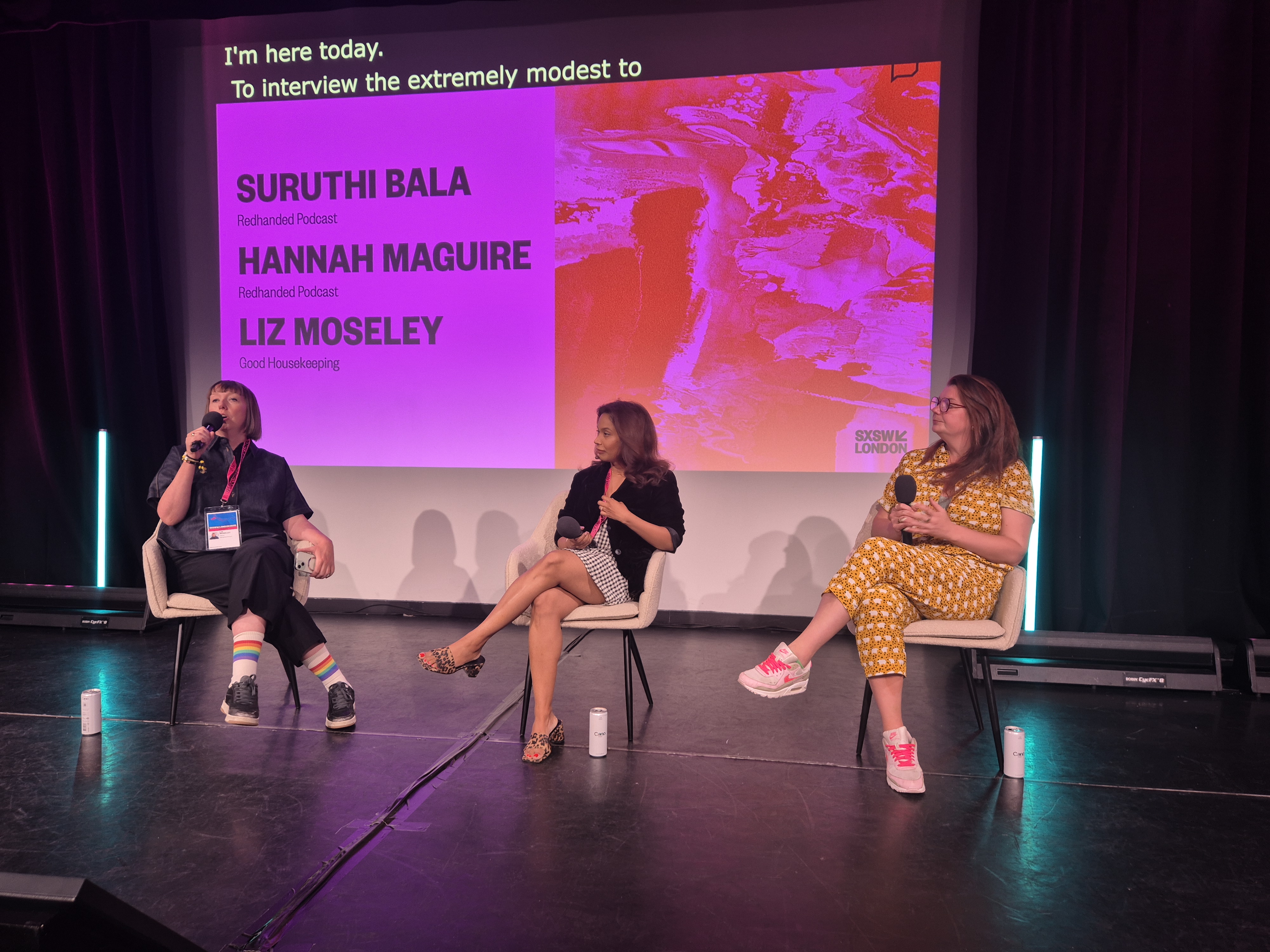

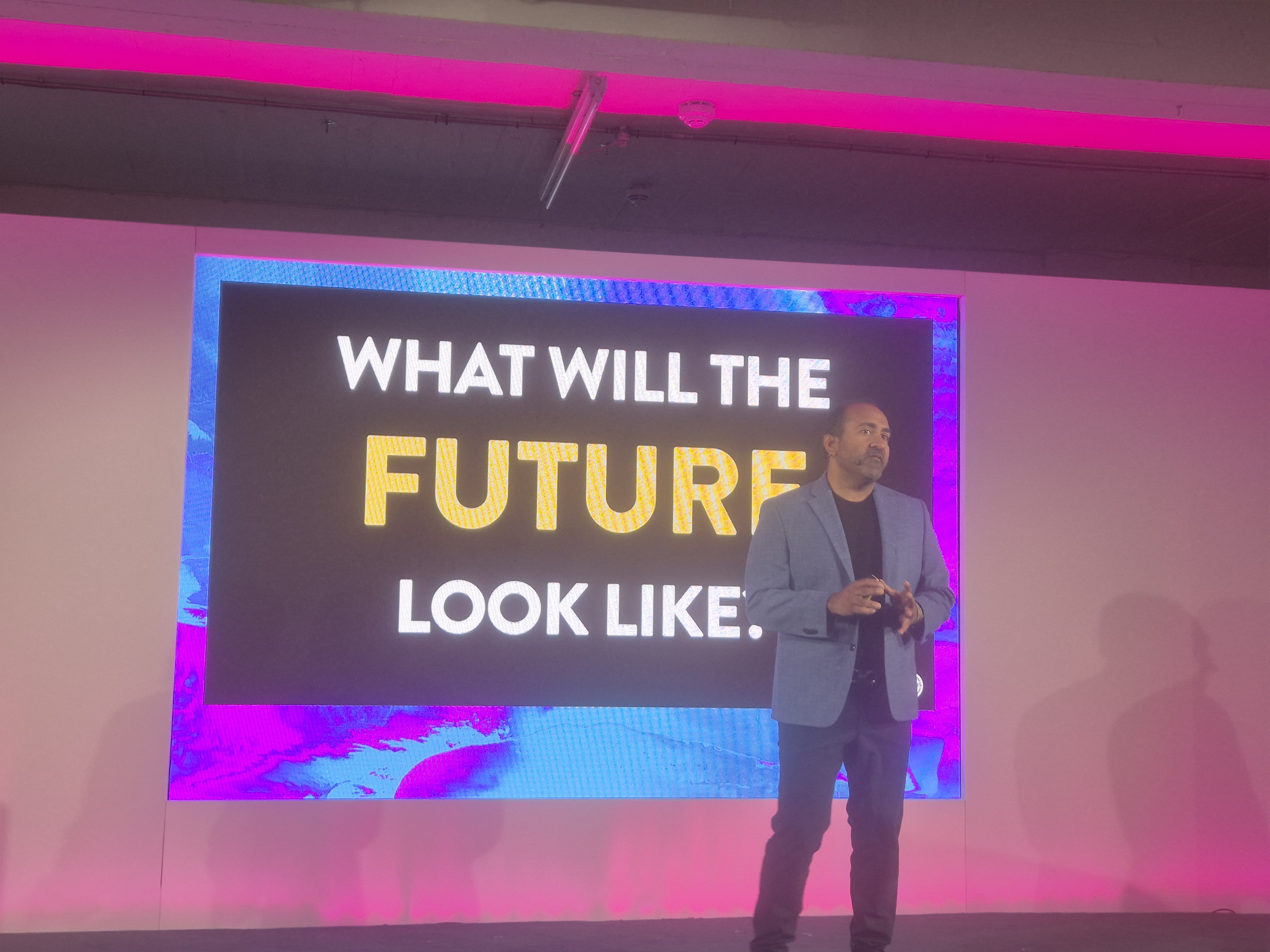
British business culture, long built on caution and careful planning, needs to evolve. Taking a slow, measured approach simply doesn’t cut it in an age defined by speed, scale and experimentation. Our brands are no longer competing just with peers and regional rivals, they’re up against global innovation hubs that move faster, take bigger risks and generate greater rewards. In that context, the UK risks slipping behind.
It’s not that we lack talent or ideas. But we do have a cultural tendency to overanalyse and delay until it’s too late. Just look at the way we approached digital healthcare solutions within the NHS. While we’ve spent years debating digital healthcare solutions, other countries have forged ahead. In Estonia, 99% of health data is now digitised, allowing the public easy access to medical records and enabling professionals to make faster decisions.
This incremental approach is the same across most industries in Britain, while we’ve been busy doing due diligence and creating committees to discuss the committees that might one day evaluate new ideas, our global competitors are shipping, testing, failing fast and iterating. It’s a fact laid stark in the latest global tech competitiveness rankings. We placed 13th, behind countries like Ireland, Singapore and Australia. If that’s not an alarm bell, what is?
From slow and steady to stalled
On the first day of SXSW London, William Richmond-Coggan of Freeths opened a conference track with the bold observation: the UK has spent centuries crafting privacy laws, but today’s technology is evolving at a pace traditional frameworks can’t keep up with.
His point wasn’t just about policy. It was a broader reflection of how UK brands tend to approach innovation. His specific recommendation was for the country to take on a mindset shift towards “anticipatory regulation”, proactive approach that anticipates challenges and develops solutions before they become major issues. However, the wider message from speakers was clear: UK brands need to get comfortable being uncomfortable and learn to act while things are still ambiguous. Experimentation fuels creativity. It enables brands to test ideas quickly, learn from failure and adapt in real time, all of which are essential in today’s fast, yet volatile, market. If we fail to adapt, our hesitation could cost us – slow, risk-averse decision-making putting brands at a disadvantage.
AI is already reshaping the playing field
Throughout SXSW, unsurprisingly, conference discussions turned repeatedly to AI and the impact it is expected to have on business and society. Vanessa Kingori of Google put it plainly: “The sure-fire way to lose out to AI is not to engage with it.”
Too many British organisations still treat AI as a future ambition rather than a present priority. In contrast, brands in global innovation hubs are already using AI to supercharge productivity and create entirely new business models. The UK is investing just $8.32 per $1,000 of GDP into AI, well behind Singapore’s $15.01. Singapore, which ranks first globally for AI government readiness, has embedded AI across public infrastructure, from government services to port operations, unlocking efficiency and innovation at scale.
You can’t argue that the evidence for the use of AI is compelling. Shell’s most recent public hackathon attracted thousands more participants than usual. It has been suggested that this surge was driven by participants using AI to bring their ideas to life, faster and with greater success.
As reluctant futurist Rohit Bhargava put it, “If we expect failure, that’s what we’ll get.”
Admittedly, some of our nation’s hesitation comes down to public mistrust. According to Hotwire’s Frontier Tech Confidence Tracker, UK business leaders scored 77 out of 100 on confidence in frontier technologies. The public? Just 48. The trust gap is real. But the answer isn’t to retreat, it’s to lead with transparency, to educate and to show how technology, used responsibly, enhances human capability rather than replacing it.
Imperfection has the edge
Admittedly, not every British brand is held back by cultural ‘flaws’. We are home to thousands of amazing businesses taking the experimental route and winning as a result. Look at Monzo. Or Plum. Their success is built around them being amongst the most authentic, adaptable and fast-moving players in the financial space, not the most polished.
Indeed, it is often fintech businesses that buck the broader British trend of caution. Companies like Starling, Klarna, Revolut and others are seen to pursue innovation more boldly than traditional brands. As a result, they have not only disrupted the banking landscape but have redefined what it means to build trust and loyalty in a digital-first world.
Fintechs have succeeded by prioritising speed over conservatism. They thrive on launching fast, learning from user feedback and iterating quickly. They are also among the earliest adopters of AI and automation, and have used these technologies to enhance productivity, scale efficiently and deliver more personalised customer experiences. The result is that fintechs are not just growing fast, they’re profitable – with 69 percent now in the black.
Look forward, not back
In keeping with my main takeaway from SXSW London, British fintechs prove that taking an agile, forward-thinking approach isn’t just possible, it’s essential. It’s time for other technology sectors to take note – businesses large and small. if we can embrace edge computing, spend less time worrying about AI and be ready for quantum, we have a real chance to keep pace with the world’s leading innovation hubs, where we belong.
The future is being written by the brands willing to experiment with it. Will those in the UK be bold enough to join them?
 The convergence of tech and brands